The modern world has been powered by coffee for many years. It is the first thing people do in the morning as it helps to set the tone for our day and powers lengthy workdays, deadlines appointments and deadlines. Many people now question whether the daily cup of coffee they consume actually helps them concentrate or is just short-term stimulation. This trend has prompted a rise in awareness of energy pouches vs. coffee, not as a battle of “good over bad,” but rather as a more in-depth discussion about consistency, control and cognitive performance.
Coffee: A Fast Energy with Familiar Limits
Coffee is able to do many things effectively. It’s fast, soothing and provides a sense of stimulation. It is effective for quick tasks or an early start. The caffeine boost can bring alertness, and the ritual itself usually signals to your brain it’s time to move.
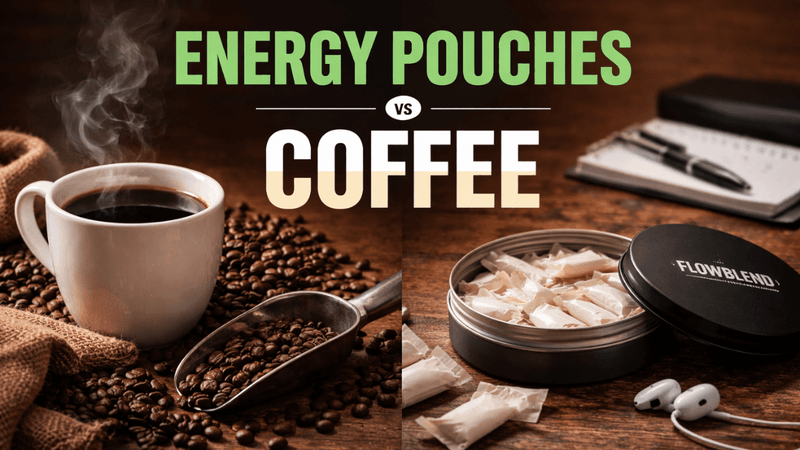
The repeated use of the product will show the downside. Over time, tolerance builds quietly. It’s no longer necessary to drink the same coffee cup that used to be so potent. Along with that tolerance often is jitters, disorganized focus, and anxiety in particular in high-pressure situations. It is crucial to think about timing. Too much caffeine can disturb sleep and cause fatigue.
Not because coffee is “bad,” rather, because they have different needs.
Energy Pouches: The Rise of the Pouches
The energy pouches were not designed to replace coffee outright. They were created to solve a completely different issue of maintaining alertness, and clarity without overwhelming the nervous system. The main difference between these pouches and coffee is in the method by which they are distributed.
Energy pouches typically contain less caffeine, which is released gradually. The pouches are designed to give a smoother energy curve. This strategy is more compatible with lengthy work hours, journey days, as well as mentally challenging tasks where continuous attention matters more than intensity.
Energy pouches can be a good alternative for those who are sensitive to caffeine, or are getting tired of the fluctuations. The goal isn’t to feel connected, but to be solid.
Focus Versus Stimulation
One of the most popular misconceptions about caffeine is that it increases productivity. However, stimulation and focus aren’t the same things. Coffee can be stimulant. However, focus requires stability.
A majority of users say that their energy pouches assist in staying focused for longer periods of time due to the fact that they cut down on the mental noise that can be attributed to high caffeine doses. Concentration is not affected by jitters. A lower risk of crashing means fewer times to “chase” energy throughout the day.
The energy pouch and. coffee debate is more relevant today due to this distinction. Since tasks require more thought and sustained problem-solving, smoother energy distribution becomes a plus.
Choose Intentionally
It’s crucial to remember that coffee is still a place. Coffee is a great tool for quick activation, social occasions or times when you need to boost your energy. They can’t make the long day go by.
It’s only by making an informed decision that you can reap the maximum benefits. Instead of defaulting to habit individuals are beginning to align their energy source to their specific requirements. Rapid energy and regular clarity. The short bursts are not as long-focus. Comfort versus control.
When viewed this way, coffee vs energy pouches isn’t a competition it’s a decision framework. Knowing the effects of each option on your body and mind allows you to use coffee strategically, rather than responding.
The Smarter Way to Proceed
As workdays stretch further and mental demands rise, the conversation around caffeine is changing. A lot of people are realizing that being productive isn’t about pushing yourself harder, but about maintaining balance. You can choose to use the energy pouch or coffee.
If you’re looking to achieve more consistency, a smoother focus and less crashing, modern choices in coffee for focus are an appealing option. In the end, it’s energy that works best when it helps you achieve your objectives rather than limiting them.