Viking culture has always been shrouded by the myth of strength, honor and spirituality. The Viking arm ring is one of the most significant artifacts of the Viking Age. It is a symbol of determination, loyalty and significant cultural value. Arm ring can also be called a Norse arm band, Viking bracelet or Norse arm ring. It’s more than an accessory.
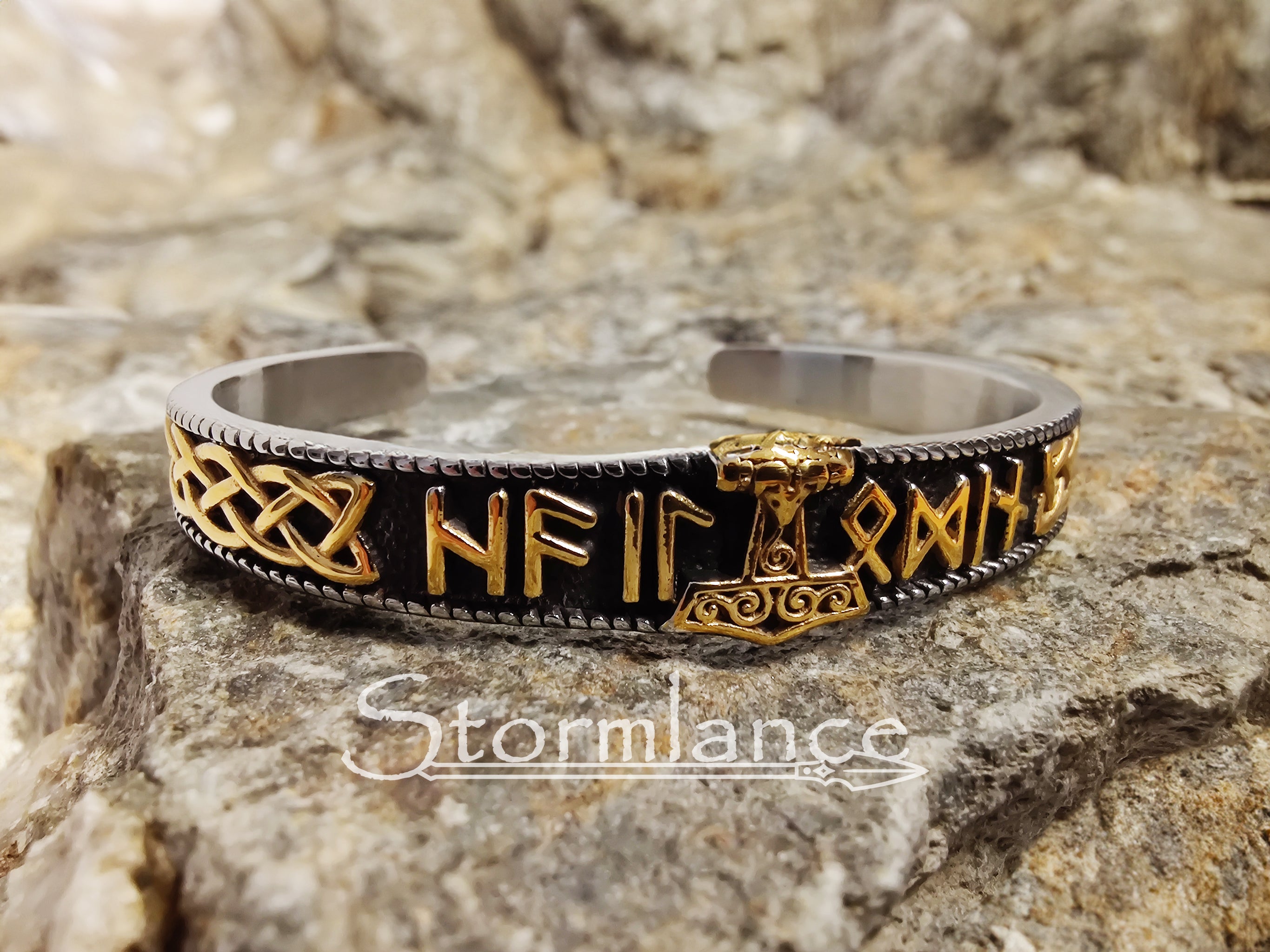
The historical significance of Viking Arm Rings
Viking arm rings carried a deeper meaning in medieval Scandinavia than just being ornaments. These rings, typically made of precious metals such as silver or gold with intricate designs, reflected a wearer’s wealth, status and loyalty. Viking arm rings were used to establish the status of the wearer. Their dimensions, the materials and craftsmanship were prized belongings of the Norse elite.
Viking arm rings had more than just a decorative use. They were used as oath rings in important ceremonies, and warriors would pledge their the loyalty of their leaders or gods. It was considered a sacred act to swear an oath with or without the armring, and the gods were witnesses. Rings also served as currency in a society where coins were not commonly utilized. In times of need they were able to be dismantled and used as a form of payment to further emphasize their value.
Viking Bracelets are a symbol of Brotherhood and Loyalty
Viking armbands were also worn as a sign of loyalty and brotherhood. These bracelets are often given to warriors as tokens of loyalty and confidence. These symbols of loyalty were necessary in the brutal world of Vikings to keep the bonds of their society.
Viking bracelets were made available in various styles. They ranged from basic unadorned and plain pieces, to more intricately decorated pieces that featured mythological motifs. These designs were not merely ornamental, but they often had deep symbolic meanings. A wolf-themed bracelet image might represent power and determination. Another one is decorated with interlocking Knots may represent the interconnectedness between life and fate.
The Modern Revival of Viking Jewelry for Men
In recent years, Viking jewelry has become more sought-after by men. This is especially applicable to arm bands and wristbands. This trend has more to do with fashion than just the return to an old culture. It is also about reconnection with the universal themes of honor, strength and loyalty.
Modern Viking jewelry carries the original spirit of these pieces from the past, with many designs directly drawn from the historical findings. Today’s artisans add modern touches to traditional designs to create jewelry that is both timeless and modern.
Viking jewelry for men has a lot of appeal because of its versatility. Viking bracelets and arm bands are a great way to add a touch of rugged sophistication to any outfit, whether as a statement piece or part of a subtler ensemble. They appeal to people who enjoy the blend of tradition and fashion. They’re a great option to blend the past with your own individual fashion.
The Viking Arm Bracelets and Rings
The right Viking arm ring or bracelet is a personal journey. It is crucial to choose the right piece for you there are a myriad of styles and materials to choose from. If you’re drawn to the significance of the Norse arm ring, the brothers that are symbolized by a Viking bracelet, or simply enjoy the workmanship of Viking jewelry for men, there is something here for anyone.
When selecting Viking jewelry, think about the meaning it holds for you. Do you want a piece that demonstrates strength, history or something special? Whatever your reason, you’ll find a Viking arm band or ring is not just a piece of jewelry. It’s an expression of who you are and what you stand for. Explore Norse Arm Ring
The final sentence of the article is:
Viking arm bands and bracelets are timeless because they bridge the gap from history to modern fashion. These pieces of Viking jewelry for men aren’t just symbolisms of a rich culture heritage, but also a powerful symbol of individual identity. Viking jewelry like arm rings, bracelets and necklaces are worn to remind us of our past and make a statement now.