Businesses depend heavily on connected devices to gather information, streamline processes, and conduct smarter operations. However, managing a soaring number of devices in multiple locations can quickly become too much. The operation of devices demands constant attention, expertise in technology as well as security compliance. This includes software updates, system monitoring and performance optimization. A managed service that is structured can turn complexity into clarity.
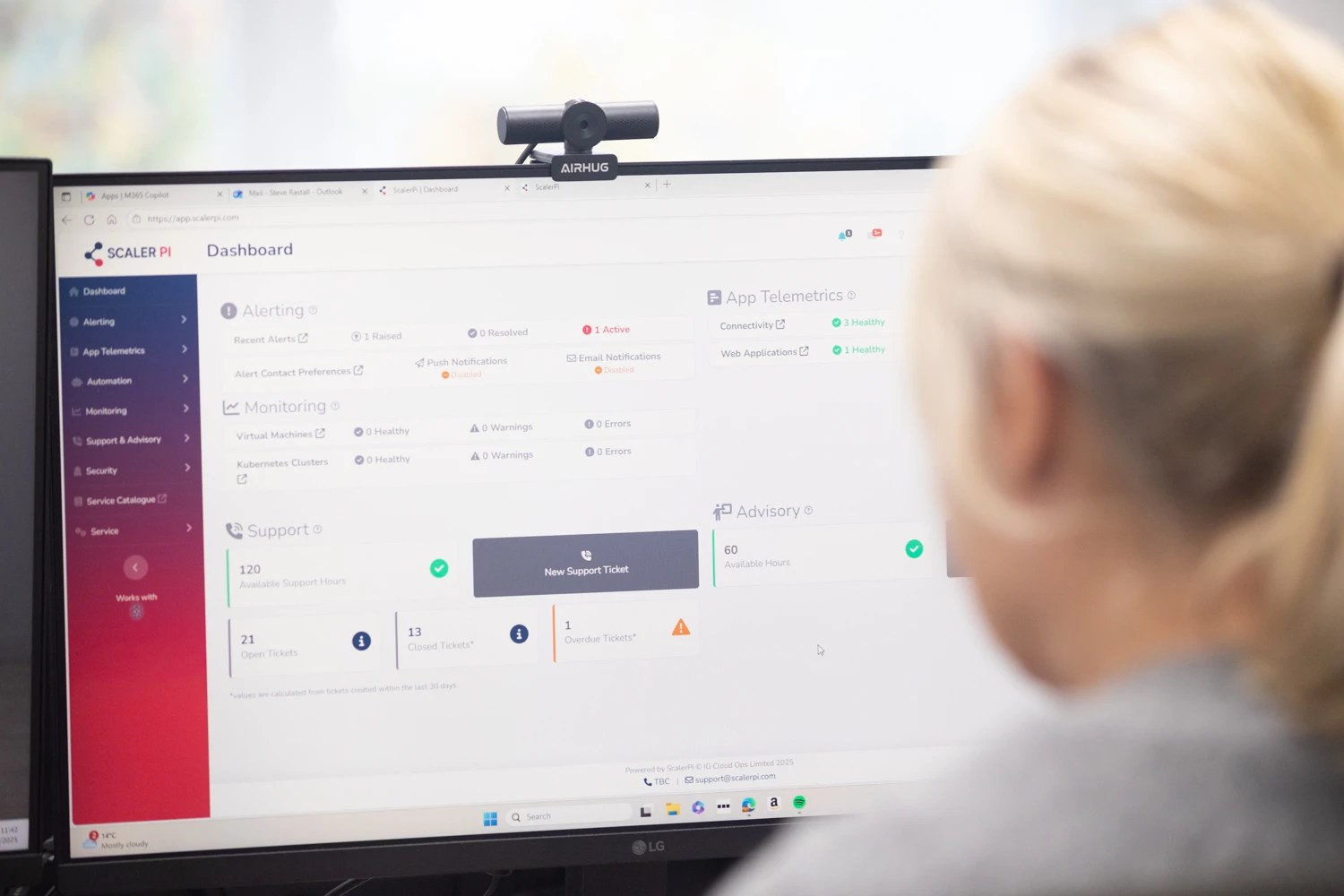
Businesses often begin searching for Raspberry devices management software free options to save on the initial cost. Although these tools are free and provide remote access and basic monitoring but they do not provide the level of management required for enterprise-grade deployments. With the growing number of devices on networks, companies need more than just dashboards and manual control. They require an integrated system that handles provisioning, security monitoring of performance, compliance reporting and tracking compliance automatically.
A well-managed infrastructure takes the day-to-day operational load on internal teams. Instead of troubleshooting devices, patching systems, and reacting to issues, companies can concentrate on growth and innovation. Every device is set up, deployed, and maintained with a consistent framework that guarantees continuity and security. This operating model does not just reduce downtime, but also eliminates security flaws that typically result from faulty update or improper configuration.
A Partnership Model designed for Scale
Successful IoT ecosystems cannot be built in an isolated manner. They require a well-thought-out architecture and constant improvement. Through working with a Raspberry Pi design expert, you can be sure that the hardware you choose as well as the architecture and software you choose are aligned with your operational goals. Instead of treating the deployment as an one-time task the partnership provides an agile foundation that can grow as the company grows.
Each managed services contract can be tailored to a client’s requirements, which includes hardware integration platform management, as well as technical assistance within a single operating agreement. This unification process eliminates the fragmentation of service providers and makes communication easier. The company gains name-brand technical contacts, service-level agreements and transparent reporting that keeps stakeholders well-informed, while reducing the burden of administration.
Standardization of the provisioning and procedure for configuration ensures that it is uniform in every location. Each device is assembled and tested. Then it is registered to ensure consistent performance. Continuous telemetry provides real-time data on the health of devices and application stability, which allows engineers to spot irregularities in the early stages and prevent system failures before they become serious.
Operational Excellence through Continuous Management
The key to stabilization of an IoT environment is proactive maintenance, not reactive troubleshooting. Updates and patches are supervised to ensure that operating systems and applications remain stable and secure. Before installation, every update is carefully examined to ensure there aren’t any interruptions.
The operational workflow also incorporates obligations for compliance. If organizations have to meet ISO standards, SOC2 frameworks, or internal policies on governance, the reporting processes are in line with the requirements of regulatory agencies. This structured approach to auditing decreases stress and increases security capability.
The benefit of managed services can be further enhanced by performance optimization and planning. Regular system evaluations identify opportunities for upgrading hardware and energy efficiency improvements and workload balance. Instead of waiting until devices fail or become obsolete, infrastructure is strategically built along with the growth of the organization.
Seamless Integration with Cloud and Edge Technologies
Modern deployments require the tight integration of hardware at the edge with cloud ecosystems. Expert Azure IoT consultant helps companies securely connect their devices to cloud platforms, as well as improving the efficiency of analytics workflows and automation capabilities. This synergy between physical infrastructure and cloud intelligence lets you make better decision-making and greater operational flexibility.
Professional IoT consulting also ensures that monitoring platforms, security protocols, and data governance frameworks work cohesively. Engineers are on-call 24/7 to check the system’s performance and respond to anomalies in real time prior to them affecting operations. Support options that scale allow companies to grow with confidence, knowing that the technical know-how grows alongside their device fleet.
In simple terms, the goal is to make advanced edge systems feel effortless. Scaler PI makes it simpler for the use of edge technology through the combination of practical hardware experience and modern cloud innovation. This creates a streamlined, unified environment where devices interact seamlessly with data and operations.
Manage Device Infrastructure with greater efficiency
Managed services provide one point of responsibility for hardware, design, monitoring and assistance. Cost-effective pricing models that are predictable eliminate budget and unexpected expenses. Continuous monitoring and automated updates decrease operational risk. Companies can feel secure that their infrastructure is safe in all respects, and is always working at its highest level.
The demand for strong operational frameworks is growing as IoT ecosystems grow. A comprehensive managed service ensures the device networks are efficient as well as secure and future-proof allowing organizations to innovate without being slowed by the management of infrastructure.