Pneumatic cylinders may look simple on the outside, but they play a massive role in keeping modern industries running. From packaging machines and car assembly lines to woodworking tools and medical equipment, these air-powered devices make everyday operations faster, cleaner, and more efficient. Understanding how pneumatic cylinders function and what makes one better than another helps you choose smarter and avoid costly equipment failures.
What Is a Pneumatic Cylinder?
A pneumatic cylinder is a mechanical device that transforms compressed air into straight-line motion. When pressurized air enters the cylinder, it pushes against a piston inside the barrel. That force moves a rod in or out, producing motion that can lift, press, clamp, or hold materials. Because it runs on air rather than oil or electricity, the system stays clean, reliable, and safe in many working environments.
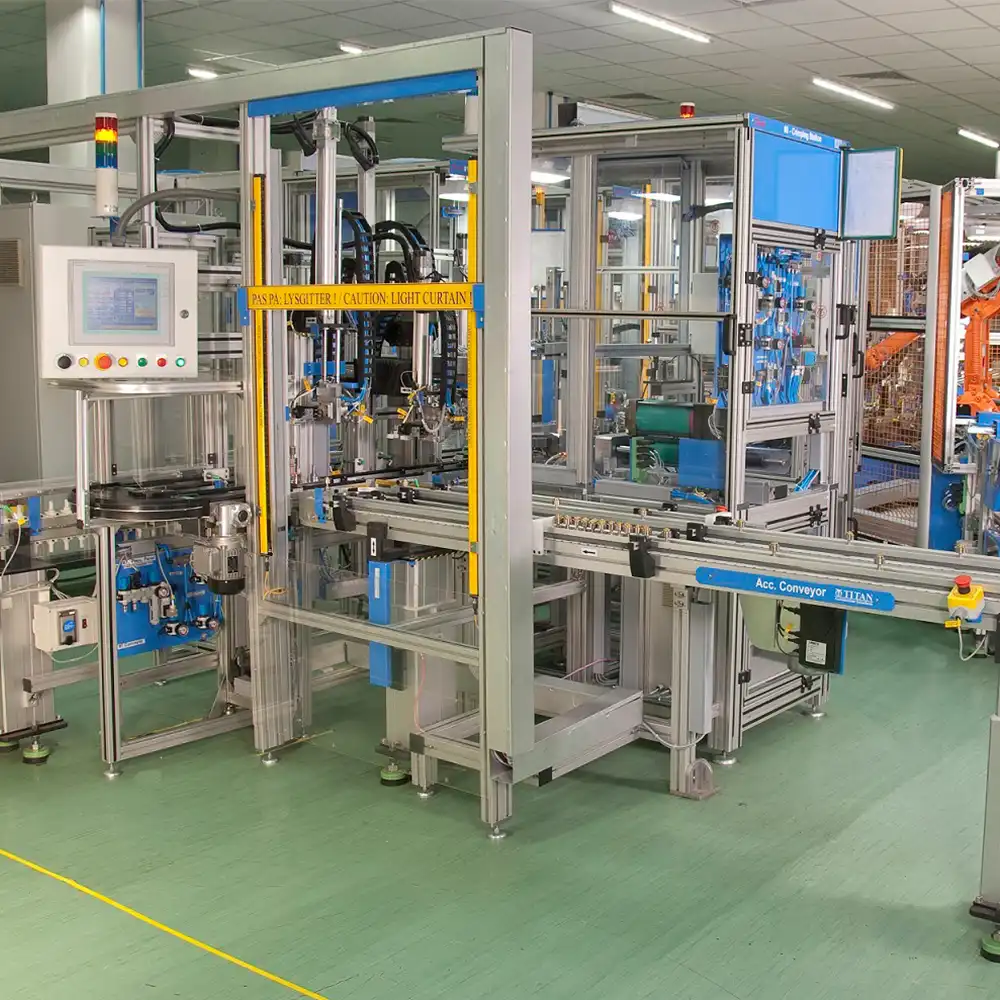
Factories prefer pneumatic cylinders because air is easy to control and inexpensive. Compared to hydraulic systems, pneumatic setups require less maintenance and involve fewer safety risks. The result is a smoother workflow with less downtime.
Key Components That Make It Work
Each pneumatic cylinder relies on several interconnected parts. The cylinder barrel holds all internal movement. Inside, the piston separates the air chambers and converts pressure into motion. The piston rod transfers this movement to machines or tools outside the cylinder.
At both ends, end covers seal the unit and secure it in place. Seals and gaskets prevent air leaks and ensure pressure stays consistent during operation. Meanwhile, air ports manage airflow entering and exiting the cylinder, controlling speed and direction.
Precision matters here. A poorly sealed unit wastes energy and loses power. High-quality cylinders are built with smooth internal surfaces and durable materials to reduce friction and extend operating life.
Types of Pneumatic Cylinders
Different industries need different cylinder designs. A single-acting cylinder pushes in a single direction and returns using a spring. These are useful for simple tasks such as ejecting parts or activating levers.
A double-acting cylinder allows air to move the piston back and forth, offering more force and control. These are common in automation systems where accuracy and repetition are important. For installations with limited space, compact cylinders provide powerful movement in a shorter form.
When long strokes or space efficiency is required, rodless cylinders eliminate extended piston rods by moving loads externally. Guided cylinders add stability for applications that involve side pressure, while multi-position cylinders stop at specific points during motion to support advanced processes.
How Pneumatic Cylinders Operate
The working process starts when compressed air enters the cylinder through a valve system. As air fills the chamber, pressure builds and pushes the piston forward. When the air direction changes, the piston returns to its starting point. Flow controls manage speed, and pressure regulators control output force.
Well-designed systems respond quickly and operate smoothly for thousands of cycles with minimal wear.
Finding the Right Manufacturer
Performance depends not just on design, but on who builds the equipment. Reliable pneumatic cylinder suppliers focus on material quality, engineering accuracy, and durability testing. Choosing a trusted pneumatic cylinder manufacturer ensures better customization, reliable service life, and strong technical support.
Titan Automation delivers exactly that. Titan Automation is a Top-quality pneumatic cylinder manufacturer and supplier, serving global markets with precision-built pneumatic systems and components. With decades of technical experience, the company offers consistent product quality, deep technical expertise, and dependable support across industrial applications.
Final Thoughts
Pneumatic cylinders are simple in function but powerful in impact. Understanding their parts, types, and operating principles allows businesses to improve productivity and reduce breakdowns. With dependable pneumatic cylinder suppliers and a proven pneumatic cylinder manufacturer, operations become smoother, safer, and more cost-effective.